
Get Dry Well Installation in Pittsburgh, PA
Dry well installation services help property owners prevent basement flooding, manage excess groundwater, and install drainage systems for residential and commercial projects in Pittsburgh and nearby areas.
Dry well installation services are a practical solution for property owners in Pittsburgh, PA seeking effective management of excess groundwater and surface runoff. Properly installed dry wells help prevent water pooling around foundations, reducing the risk of structural damage and basement flooding. This work enhances the overall safety and functionality of a property by ensuring that stormwater is directed away from critical areas, contributing to a more stable and secure environment.
In addition to improving safety, dry wells offer benefits that boost curb appeal and reduce ongoing maintenance. They can help preserve landscaping by preventing erosion caused by uncontrolled water flow, while also minimizing the need for frequent repairs related to water damage. By choosing professional dry well installation, property owners can enjoy a durable, low-maintenance drainage solution that enhances the property's appearance and long-term usability.
- Dry well installation services are needed when properties in areas like Pittsburgh, PA require alternative water sources for irrigation or outdoor use.
- Homeowners experiencing inadequate well water supply or needing a reliable water source often seek dry well installation.
- Property developers and landscapers may require dry wells to manage excess stormwater runoff in surrounding communities.
- Individuals installing new landscaping or outdoor features might need dry wells to ensure proper drainage and water management.
- In regions prone to heavy rainfall, local contractors can assist with dry well installation to prevent water pooling and property damage.
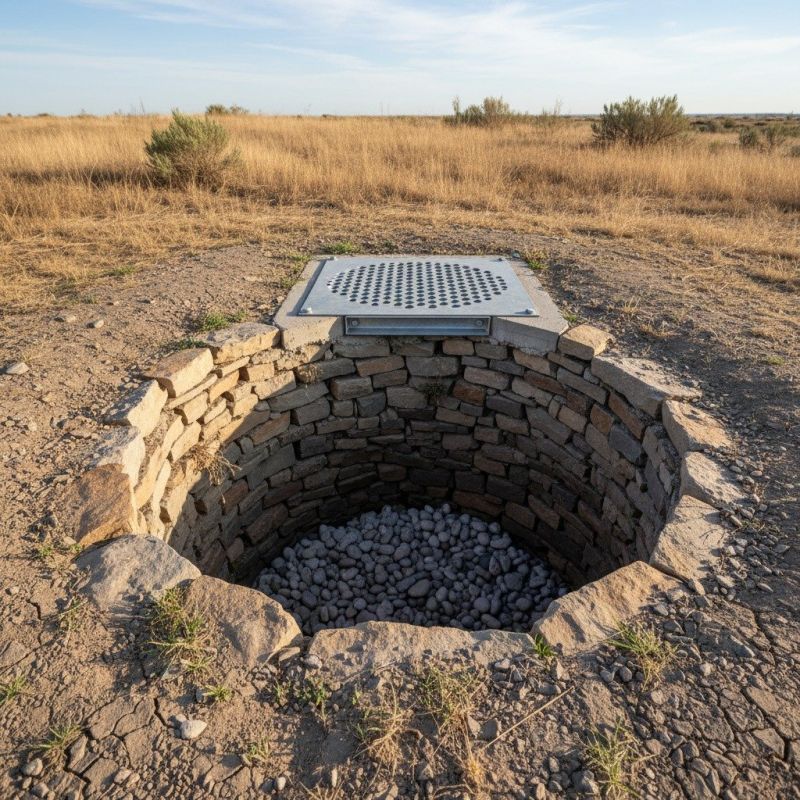
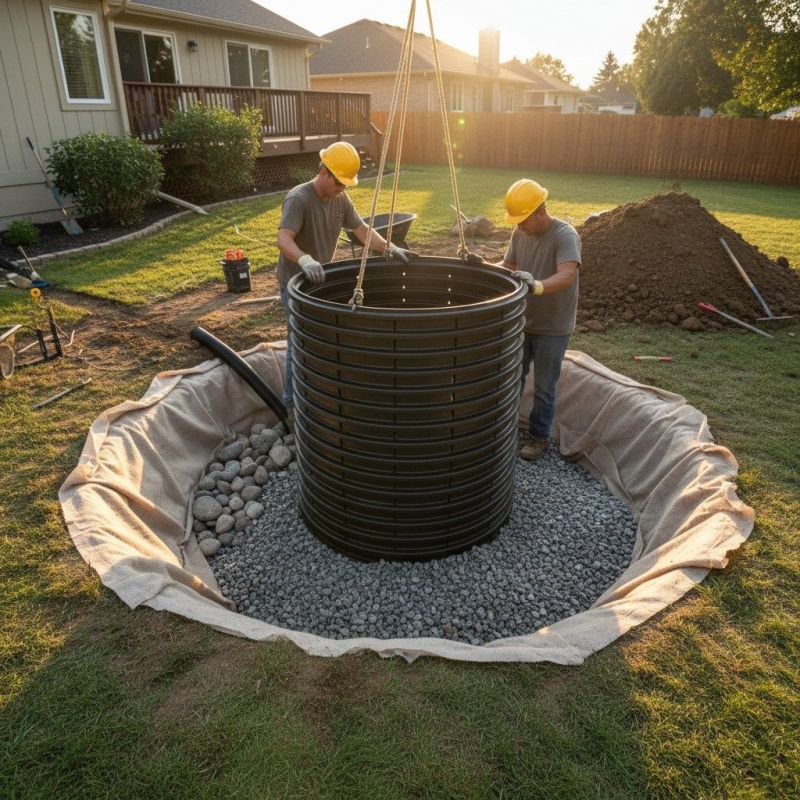
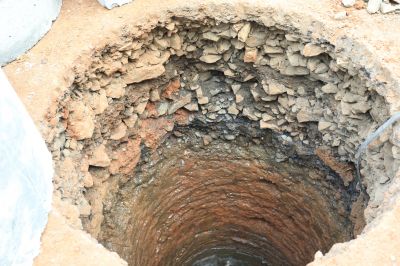
Dry well installation services involve setting up specialized underground drainage systems designed to manage excess water runoff. These systems typically consist of a perforated pipe encased in gravel or other porous materials, which allows water to seep into the ground gradually. The installation process includes excavating the designated area, positioning the dry well components, and ensuring proper connections to existing drainage infrastructure. This service is essential for creating an effective water management solution that reduces surface water pooling and prevents water damage to property foundations.
Dry wells help address common drainage problems such as standing water in yards, flooding around the foundation, and poorly draining soil conditions. When excess water cannot naturally percolate into the ground, it can lead to soil erosion, basement flooding, and landscape damage. Installing a dry well provides an underground reservoir that collects and disperses water efficiently, alleviating these issues. Properly installed dry wells can also help improve the overall health of landscaping by maintaining appropriate moisture levels and preventing waterlogging.
Properties that typically utilize dry well installation services include residential homes, commercial buildings, and agricultural properties. In residential settings, dry wells are often used to manage runoff from roofs, driveways, and patios, especially in areas with high rainfall or poor soil drainage. Commercial properties with large paved areas or parking lots also benefit from dry well systems to prevent surface flooding and protect structural integrity. Agricultural sites may use dry wells to manage irrigation runoff and ensure proper soil drainage, supporting healthy crop growth.
Engaging local service providers for dry well installation ensures that the system is tailored to the specific drainage needs of each property. These professionals assess site conditions, recommend appropriate system sizes, and handle the installation process to ensure proper functioning. Proper installation is crucial for long-term performance, helping property owners avoid water-related issues and maintain the integrity of their land and structures. Contacting experienced local contractors can provide the expertise needed to implement an effective drainage solution suited to individual property requirements.
The overview below groups typical Dry Well Installation projects into broad ranges so you can see how smaller, mid-sized, and larger jobs often compare in Pittsburgh, PA.
In many markets, a large share of routine jobs stays in the lower and middle ranges, while only a smaller percentage of projects moves into the highest bands when the work is more complex or site conditions are harder than average.
Cost Range for Dry Well Installation - Typically, the cost for installing a dry well can vary between $1,500 and $4,000, depending on the project's complexity and site conditions. For example, a basic installation in Pittsburgh might fall around $2,000. Larger or more intricate systems may approach the higher end of this range.
Factors Influencing Expenses - Costs are affected by soil type, the depth of the dry well, and the required materials, which can lead to price fluctuations. For instance, rocky soil may require additional excavation, increasing overall costs. Local pros can provide estimates based on specific site needs.
Average Cost Components - Expenses typically include excavation, material costs, and labor, with material costs often ranging from $500 to $1,500. Labor charges in Pittsburgh might add another $1,000 to $2,500, depending on project scope.
Additional Cost Considerations - Permitting, site preparation, and potential repairs can influence the final price, sometimes adding several hundred dollars to the total. Contact local service providers for detailed estimates tailored to individual site requirements.
Actual totals will depend on details like access to the work area, the scope of the project, and the materials selected, so use these as general starting points rather than exact figures.
Dry Well Installation - Local contractors offer services to install dry wells that help manage excess groundwater and improve drainage around properties.
Stormwater Management - Professionals provide solutions for stormwater runoff by installing dry wells to prevent pooling and foundation issues.
Drainage System Setup - Experts assist with integrating dry wells into existing drainage systems to enhance water absorption and reduce surface runoff.
Foundation Drainage Solutions - Contractors install dry wells to protect building foundations from water damage caused by poor drainage.
Landscape Drainage Services - Local service providers help improve landscape health by installing dry wells that divert excess water away from planting areas.
Water Table Management - Professionals install dry wells to lower the water table around properties, reducing the risk of flooding and soil erosion.
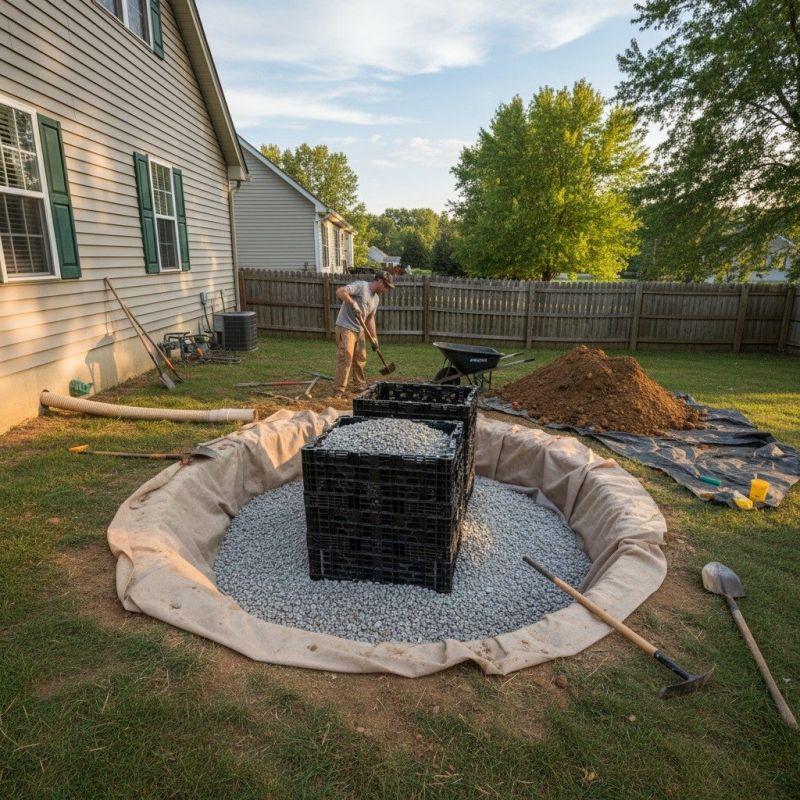
When selecting a professional for dry well installation, experience is a key factor to consider. Homeowners should look for local service providers who have a proven track record with similar projects, ensuring they understand the specific requirements of the area and soil conditions. A contractor’s history of completing dry well installations successfully can provide confidence in their ability to handle the scope of work efficiently and effectively, reducing the likelihood of issues down the line.
Clear communication and well-defined expectations are essential when working with a local contractor. Homeowners are encouraged to discuss project details, timelines, and what the installation process entails to ensure mutual understanding. Reputable providers will be transparent about their methods and willing to address questions or concerns, helping to foster a smooth working relationship and avoid misunderstandings.
Reputable references and reviews from previous clients can offer valuable insights into a contractor’s reliability and quality of work. Homeowners should seek out local pros who can provide verified references or have a history of positive feedback within the community. Establishing open lines of communication with potential service providers can also help homeowners gauge their responsiveness and professionalism, which are important factors in selecting a contractor for dry well installation services.
Property owners in Pittsburgh, PA use Dry Well Installation services for practical projects around their homes and businesses. The sections below highlight everyday jobs and straightforward project options.
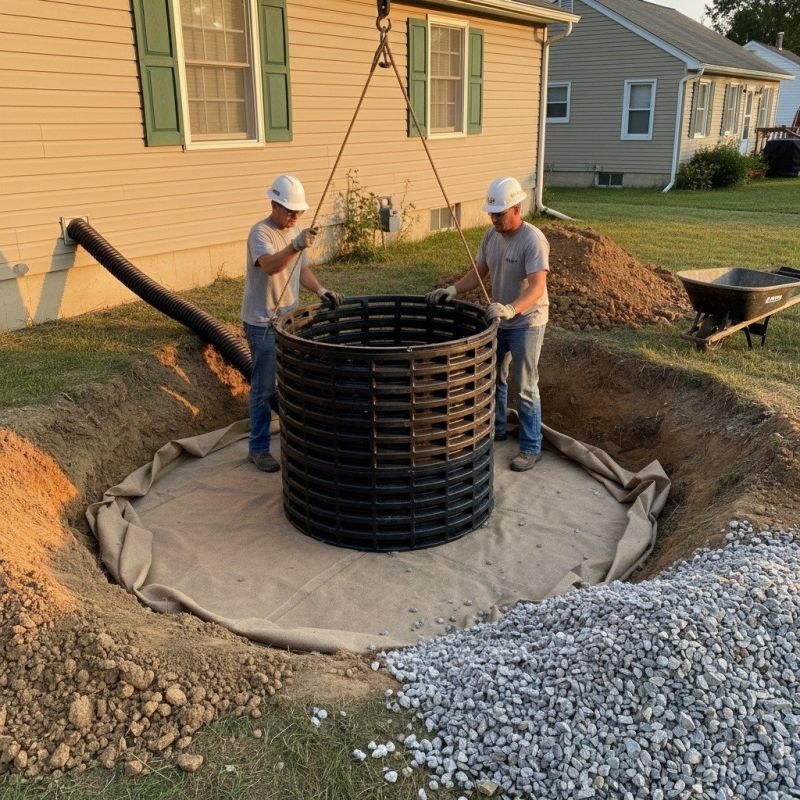
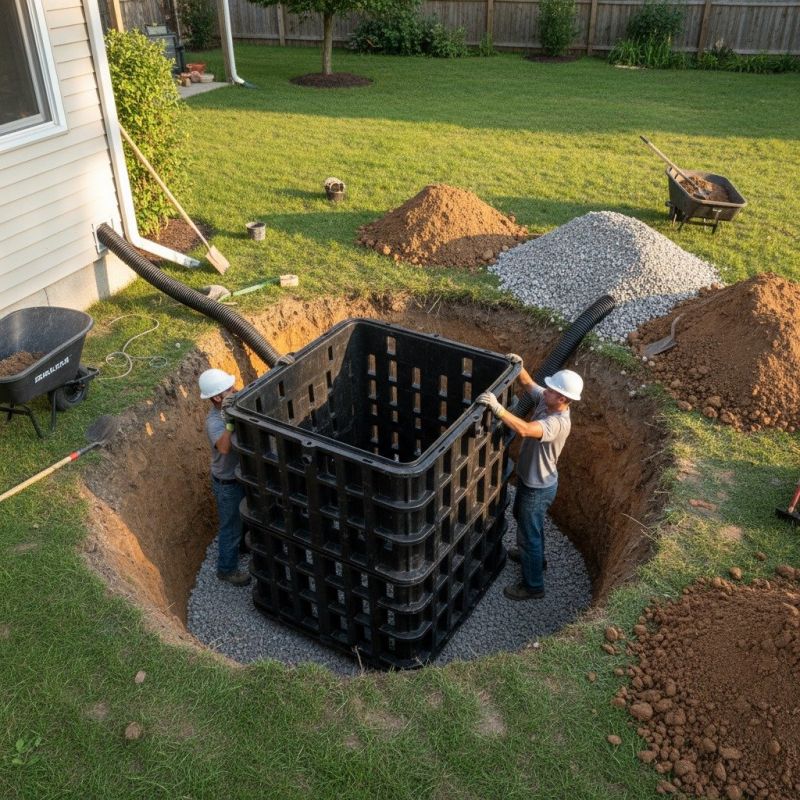
Dry well installation services are often sought by property owners in Pittsburgh, PA who need an effective solution for managing excess groundwater or preventing basement flooding. Homes and businesses located in areas with high water tables or poor drainage may experience issues with standing water or moisture buildup, making a dry well a practical option to improve drainage and protect the property’s foundation. Additionally, those planning landscape projects or installing new irrigation systems might look for professional installation to ensure proper water management and avoid future drainage problems.
Property owners may also consider dry well services when existing drainage systems are insufficient or have failed over time. This can be especially relevant after heavy rainstorms or during periods of increased precipitation, which can overwhelm traditional drainage. Local contractors can evaluate site conditions and recommend suitable dry well solutions to help maintain dry, stable outdoor spaces and prevent water-related damage around Pittsburgh homes and commercial properties.
What is a dry well? A dry well is an underground structure designed to disperse excess water runoff safely into the ground, helping prevent flooding and pooling around a property.
Why might I need a dry well installed? A dry well can be useful for managing stormwater drainage from roofs, driveways, or other surfaces that generate runoff, especially in areas with poor natural drainage.
How do local contractors install dry wells? Contractors typically dig a hole, place a perforated container or basin, and fill it with gravel or other media to facilitate water absorption into the surrounding soil.
Are there different types of dry wells? Yes, options include plastic or concrete chambers, gravel-filled pits, and other systems tailored to specific drainage needs and site conditions.
How can I find local pros for dry well installation? Interested property owners can contact nearby drainage specialists or landscaping contractors experienced in stormwater management services.
Dry Well Installation Overview - Local service providers can assist with the proper installation of dry wells to help manage excess groundwater around properties.
Site Evaluation Services - Professionals can assess property conditions to determine the best location and design for effective dry well systems.
Drainage System Integration - Experts can integrate dry wells into existing drainage systems to improve water runoff and reduce pooling issues.
Maintenance and Inspection - Service providers can offer ongoing maintenance and inspections to ensure dry wells function effectively over time.
Considering Dry Well Installation for a property in Pittsburgh, PA? The sections above highlight common project types, practical options, and details that often shape the scope of work.
When you are ready, use the quote form to share a few details about your project. Local pros can review the basics and respond with options that match what you have in mind.